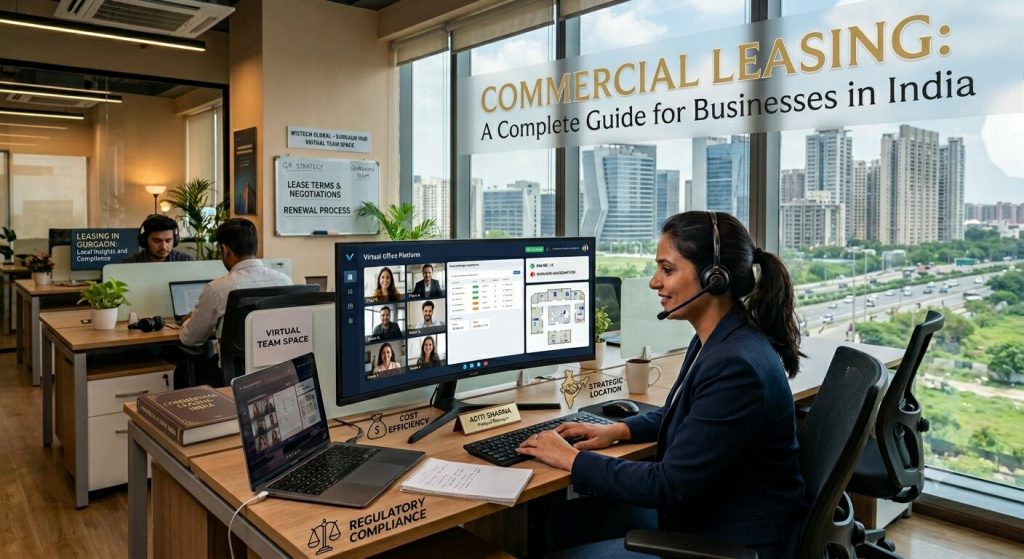
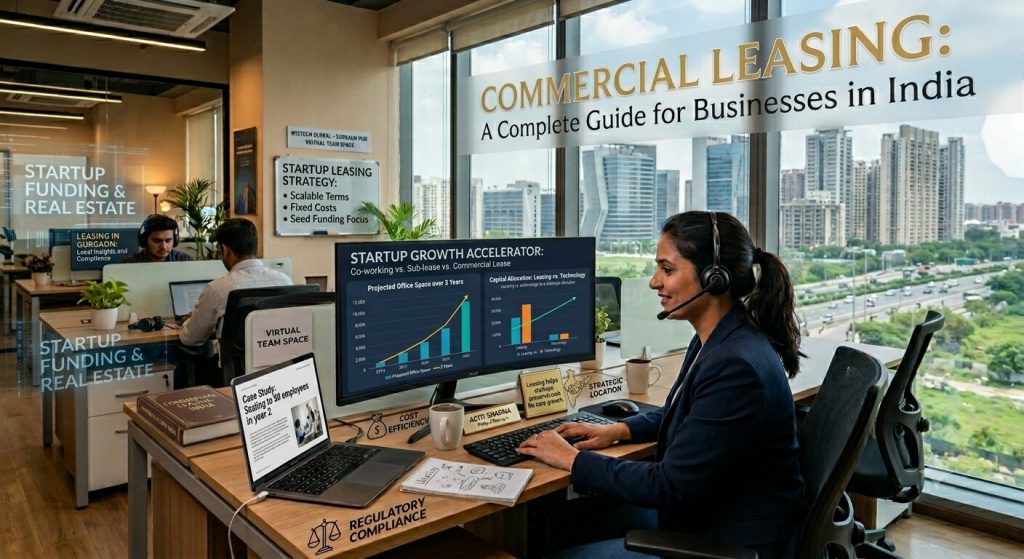
For startups and growing businesses, managing operational costs while maintaining a professional business presence is essential. Commercial leasing has become one of the most popular solutions for companies looking to scale efficiently without purchasing expensive commercial real estate.
Why Startups Prefer Commercial Leasing
Buying commercial property requires significant upfront capital. For startups, this can divert resources away from business development, marketing, hiring, and product innovation.
Commercial leasing allows businesses to:
- Minimize capital expenditure
- Preserve working capital
- Access premium business locations
- Expand operations quickly
- Reduce financial risk
Access to Prime Locations
A prestigious business address can improve brand credibility and customer trust. Through leasing, startups can establish offices in major business hubs without the financial burden of property ownership.
Scalability and Business Flexibility
Business requirements can change rapidly. Leasing provides flexibility to:
- Upgrade to larger offices
- Move to better locations
- Add additional workspace
- Adapt to changing team sizes
This flexibility is especially valuable for fast-growing companies.
Professional Infrastructure
Many commercial spaces offer:
- Meeting rooms
- Reception services
- High-speed internet
- Security systems
- Parking facilities
- Business support services
These amenities help businesses maintain a professional image while controlling costs.
Financial Advantages
Leasing often requires lower upfront investment compared to purchasing property. Businesses can allocate funds toward:
- Hiring talent
- Marketing campaigns
- Technology upgrades
- Business expansion
Key Considerations Before Leasing
Before signing a commercial lease, startups should review:
- Rental costs
- Lock-in periods
- Security deposits
- Maintenance expenses
- Renewal terms
- Expansion opportunities
Careful planning ensures the chosen space supports future growth.
Final Thoughts
Commercial leasing remains one of the smartest real estate strategies for startups and growing businesses. It offers flexibility, financial efficiency, and access to professional workspaces that support business growth without the long-term commitment of property ownership.