Selecting the right office infrastructure is not only an operational decision but also a financial and compliance-related one. Businesses must consider how workspace costs, lease commitments, and operational expenses affect overall budgeting and tax planning.
Today, organizations can choose from coworking spaces, managed offices, virtual offices, and traditional commercial leases depending on their business objectives.
Understanding Office Costs and Compliance
Office-related expenses often include:
- Rent or lease payments
- Security deposits
- Utility charges
- Maintenance expenses
- Internet and IT infrastructure
- Administrative costs
The structure of these expenses can influence financial planning and compliance processes.
Coworking Spaces: Flexible and Cost-Efficient
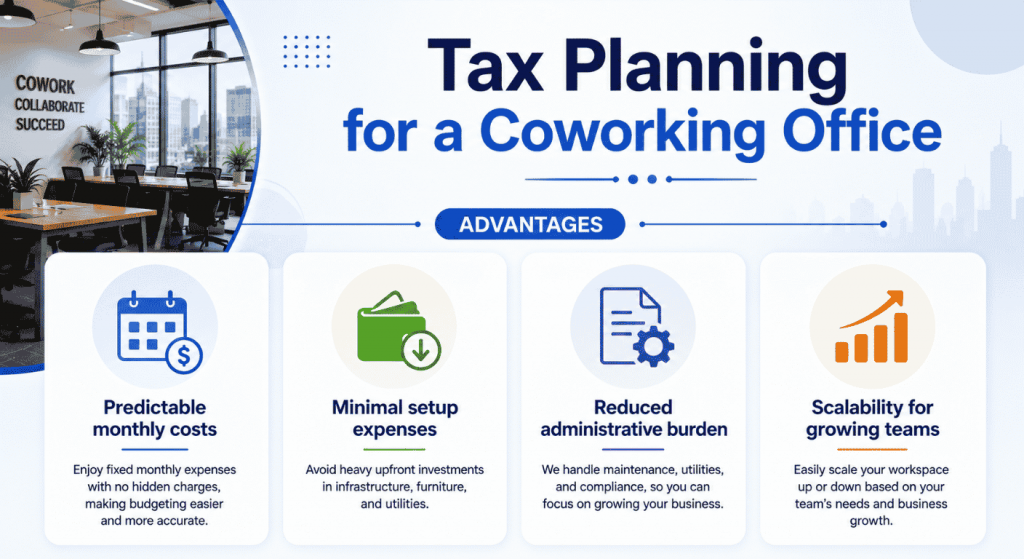
Coworking spaces provide businesses with fully operational workspaces without long-term lease commitments.
Advantages include:
- Predictable monthly costs
- Minimal setup expenses
- Reduced administrative burden
- Scalability for growing teams
Explore Flexible Coworking Solutions:
https://www.assetsense.in/coworking-office/
For startups and small businesses, coworking memberships often simplify expense management and budgeting.
Managed Offices: Simplifying Operational Compliance
Managed offices combine privacy with convenience.
Businesses benefit from:
- Dedicated office environments
- Facility management support
- Simplified vendor coordination
- Centralized operational services
These features can reduce administrative complexity while helping organizations focus on core business activities.
Explore Managed Office Solutions:
https://www.assetsense.in/managed-office/managed-office-in-welldone-tech-park-sohna-road-gurgaon
Commercial Offices and Long-Term Planning
Established organizations often require dedicated office infrastructure.
Commercial office leasing offers:
- Brand visibility
- Greater customization
- Long-term stability
- Dedicated operational control
Businesses exploring office leasing options can review available spaces here:
https://www.assetsense.in/offices
Virtual Offices and Compliance Efficiency
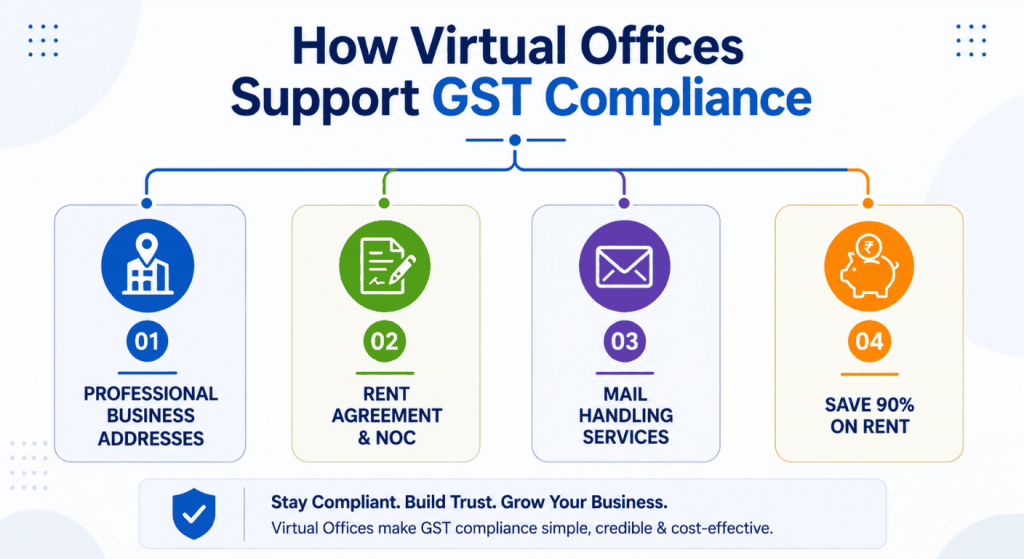
For businesses that primarily require registration support and professional business addresses, virtual offices remain one of the most cost-effective solutions.
Benefits include:
- Lower operational costs
- Business registration support
- GST-compliant address solutions
- Multi-location expansion opportunities
Explore Virtual Office Services:
Choosing the Right Workspace Strategy
The ideal workspace depends on:
- Team size
- Compliance requirements
- Business expansion plans
- Operational needs
- Budget constraints
Many modern businesses combine multiple workspace models to maximize flexibility and efficiency.
Conclusion
Tax planning and compliance are closely connected to workspace decisions. Whether a business chooses a virtual office, coworking space, managed office, or commercial office, selecting the right infrastructure can improve operational efficiency, support regulatory compliance, and optimize costs.
Businesses that align their workspace strategy with their financial goals are better positioned for sustainable growth.